
Why wisdom teeth cause so many problems
Wisdom teeth, or third molars, usually erupt between the ages of 17 and 25, once the rest of the teeth have already formed. The problem is one of space: many people's jaws have no room for a fourth molar on each side, so the tooth ends up trapped wholly or partly under the bone or gum. That's what is known as impaction, and it's the most common reason they end up causing problems.
It isn't a cosmetic issue or a matter of "wisdom": it's mechanical. A tooth with no room can sit quietly for years without giving any warning, or it can start pressing, becoming infected or damaging the tooth next to it. That's why it's assessed with an X-ray even before any discomfort appears.
The signs that do point to extraction
These are the situations that most often lead to a recommendation to remove a wisdom tooth:
- Impaction with pain or pressure: the tooth pushes against the second molar, the gum or the bone, causing discomfort, crowding or recurrent inflammation.
- Pericoronitis: when the tooth only erupts halfway, the gum covering it traps food debris and bacteria and becomes infected again and again, with pain, swelling and sometimes a bad taste in the mouth. If it's recurrent, removing the tooth stops it happening again.
- Risk to the second molar: a tilted wisdom tooth can encourage decay in a spot that's hard to clean on the neighbouring tooth, or even resorb its root.
- Associated cyst: an impacted tooth can develop a cyst around its crown with no symptoms at all. It's picked up on a routine X-ray and, on its own, is already a reason to consider extraction.
- Decay that can't be restored: because of its position at the back of the mouth, some decay in a wisdom tooth is impossible to clean and seal properly, which means filling it isn't a realistic option.
When it does NOT need to be removed
If the tooth has fully erupted, sits in a correct position, can be cleaned normally when brushing and isn't causing any of the problems above, there's no reason to remove it. In fact, the NHS notes that wisdom teeth usually don't need to be removed just because they're impacted if they aren't causing problems, because there's no proven benefit in doing so, and there is a risk from the surgery's own complications.
For the specific case of an impacted tooth (under the gum or bone) that has no symptoms and is free of disease, a Cochrane review found insufficient evidence to determine whether it's worth removing it as a preventive measure. The alternative, in those cases, is monitoring: regular check-ups with an X-ray to confirm the situation isn't changing, rather than operating without a clear indication.
How we assess it at Dentaláser
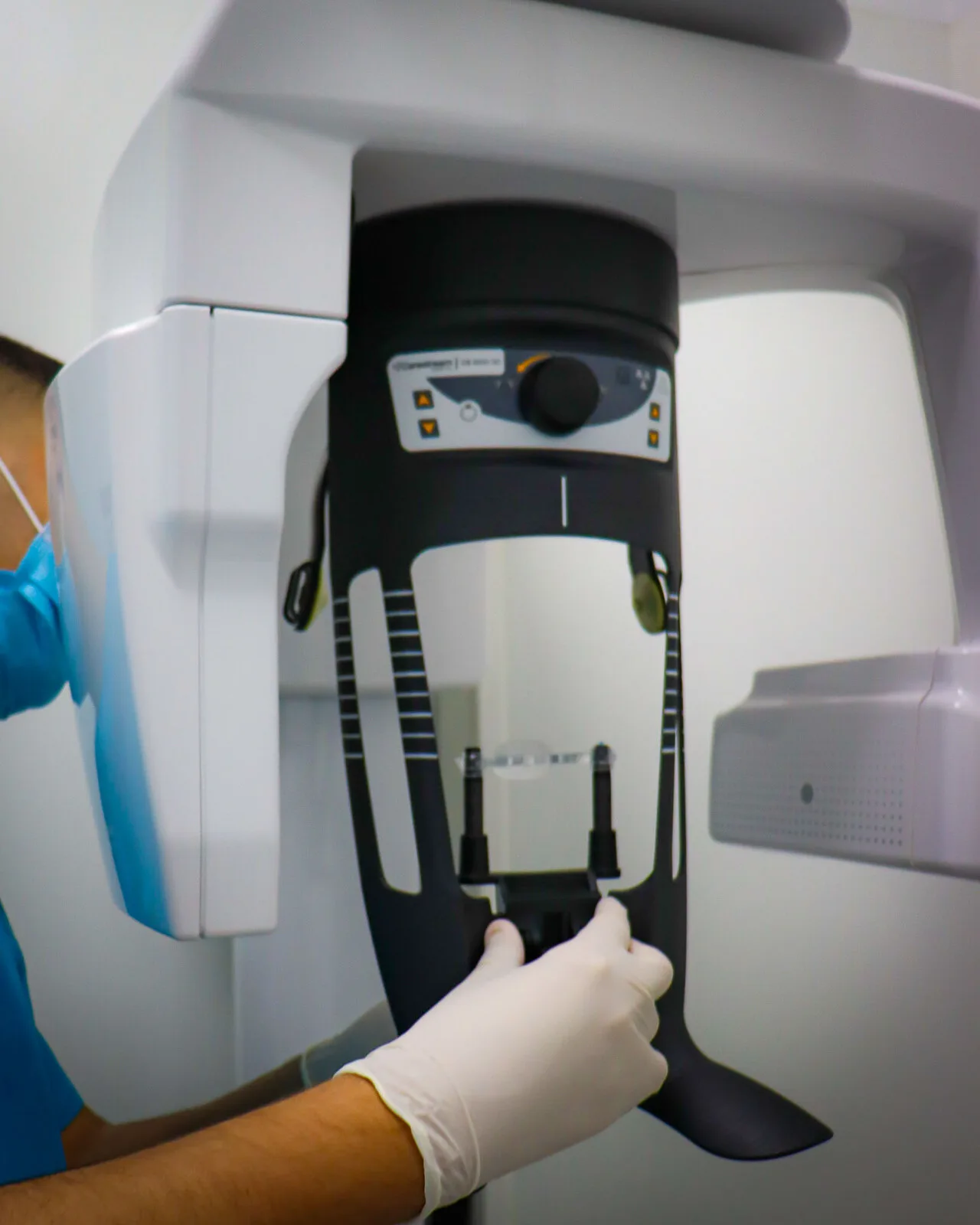
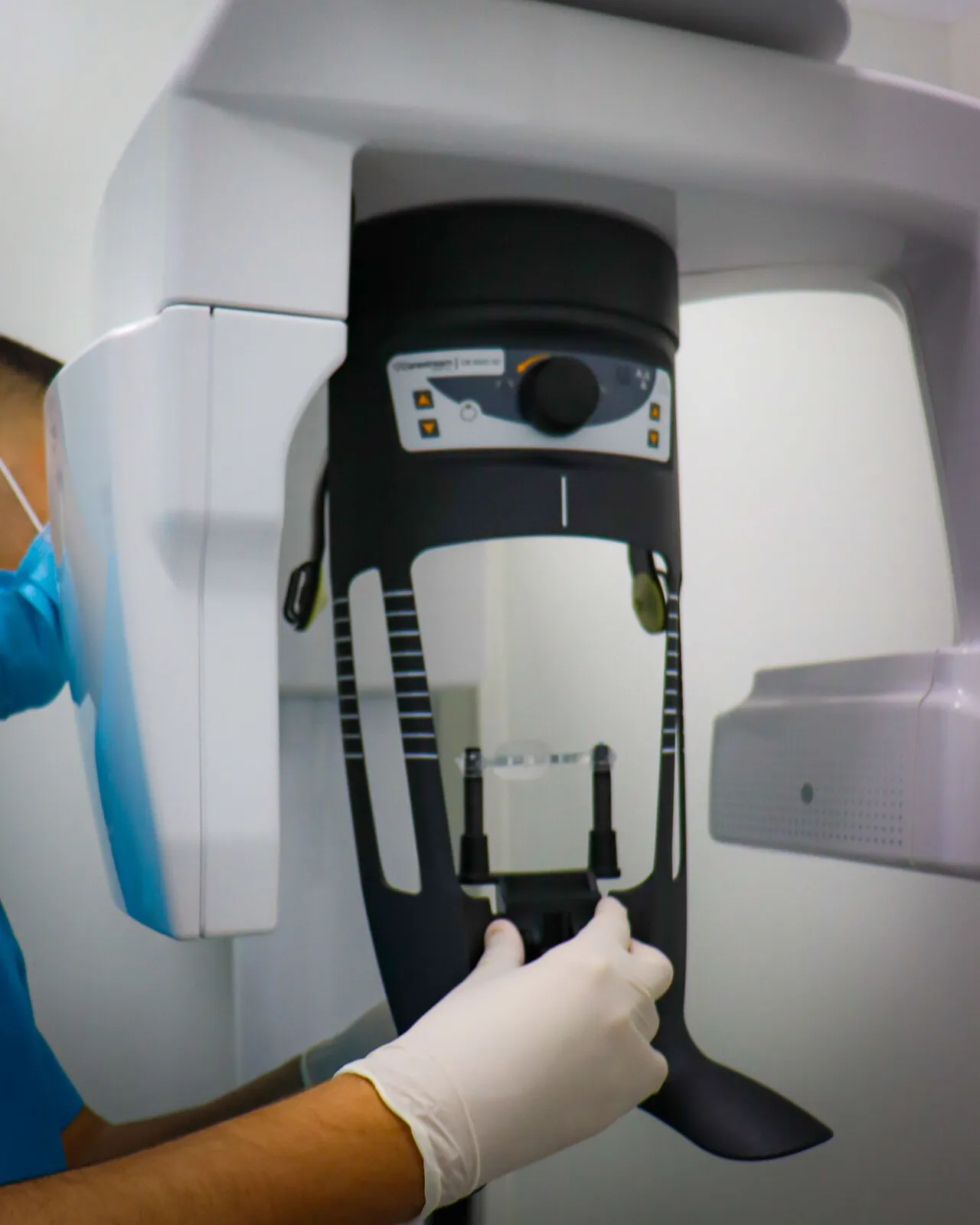
Before recommending any extraction, we assess the tooth's exact position with a panoramic X-ray and, if the case requires it, with cone beam computed tomography (CBCT). This lets us see precisely how the tooth relates to nearby structures, such as the inferior dental nerve, and decide whether the indication is clear or whether it's more sensible to keep monitoring the case with check-ups.
If extraction is indicated, it's carried out under local anaesthetic: the procedure itself doesn't hurt, although it's normal to feel pressure during the operation and some discomfort or swelling over the following days. For anyone with a lot of anxiety, conscious sedation is an option.
- Pain that's getting worse around a wisdom tooth, especially if it keeps recurring
- Swelling in the gum or the face
- A persistent bad taste in the mouth or discharge next to the tooth
- Difficulty opening your mouth fully
These are signs of possible pericoronitis or an active infection. The sooner it's assessed, the easier it usually is to resolve.