
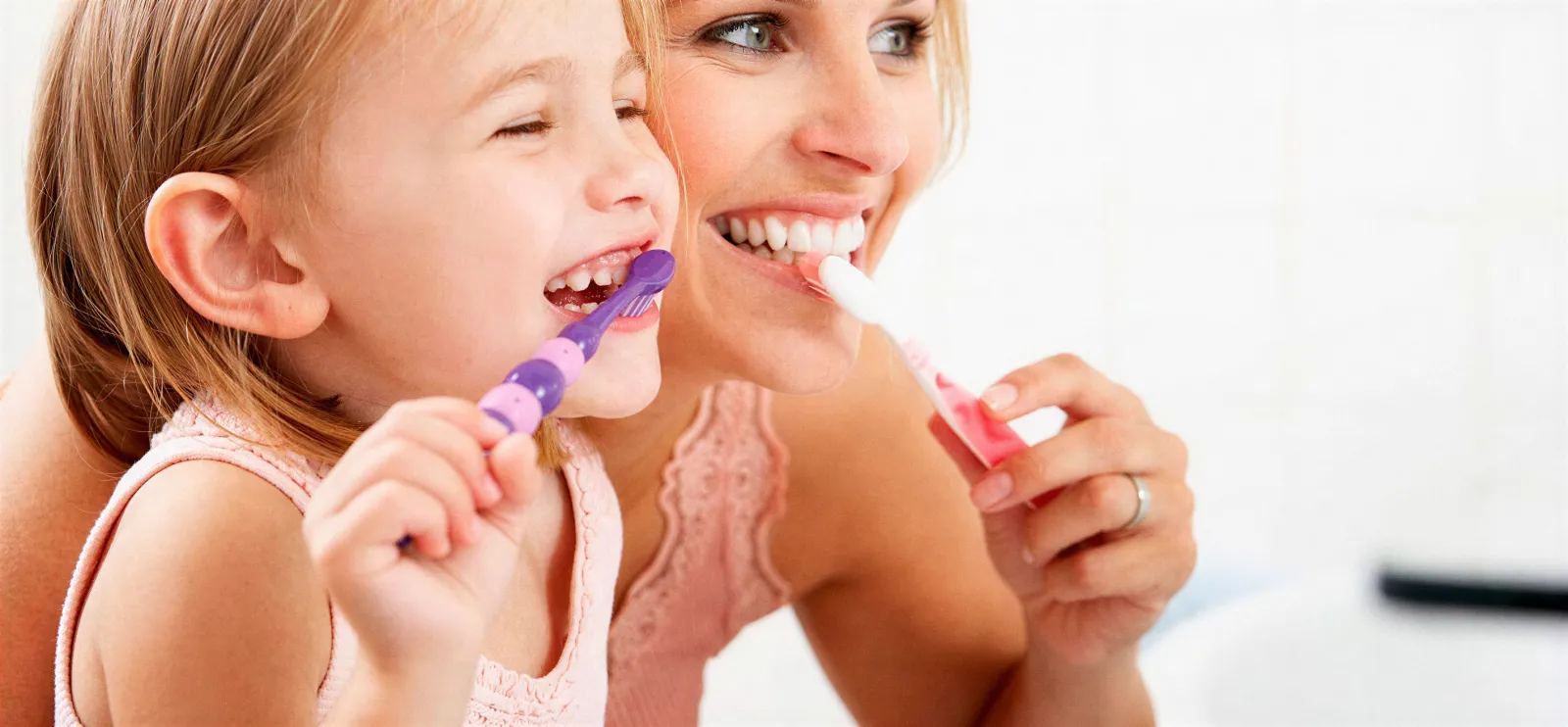
We make children want to come back. Children's Dentistry in Fuengirola and Maqueda
Fear-free care for babies, children and teenagers. Free first check-up.
Ages 6–15 · Andalusia
The pace
is set by the child.
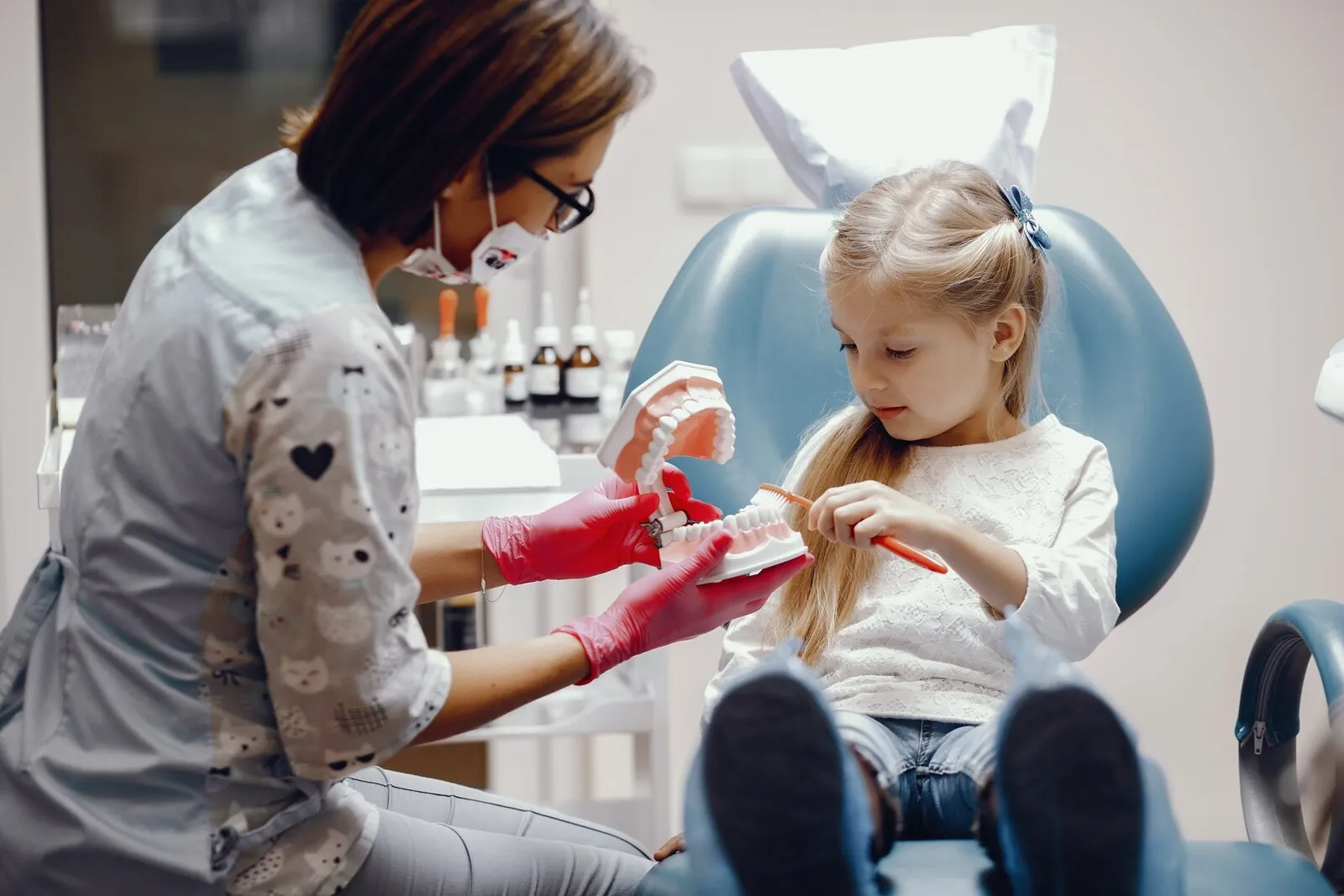
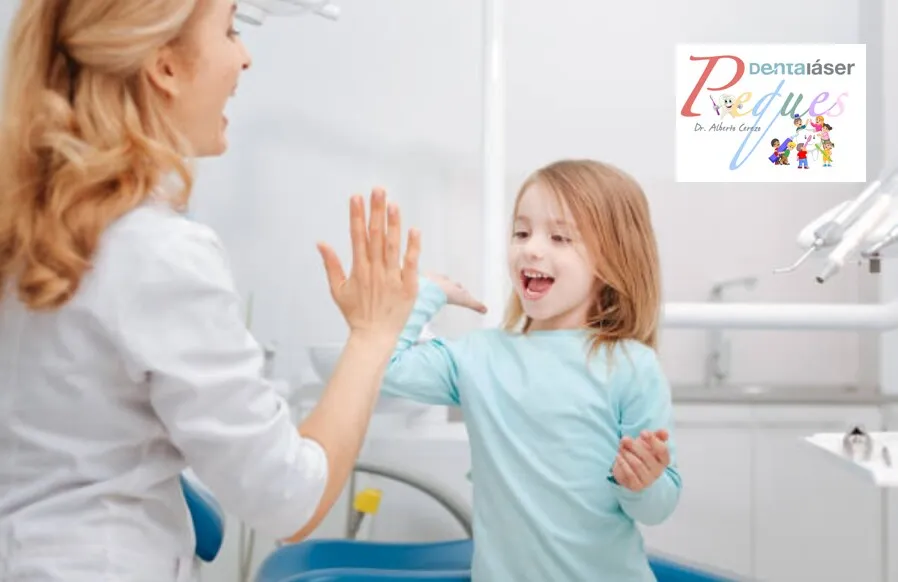
At Dentaláser we know a child's first experience at the dentist shapes their attitude for life. That's why we take that first visit slowly, without rushing, with all the care the youngest patients deserve. We make sure they enjoy their time at the clinic as much as possible.
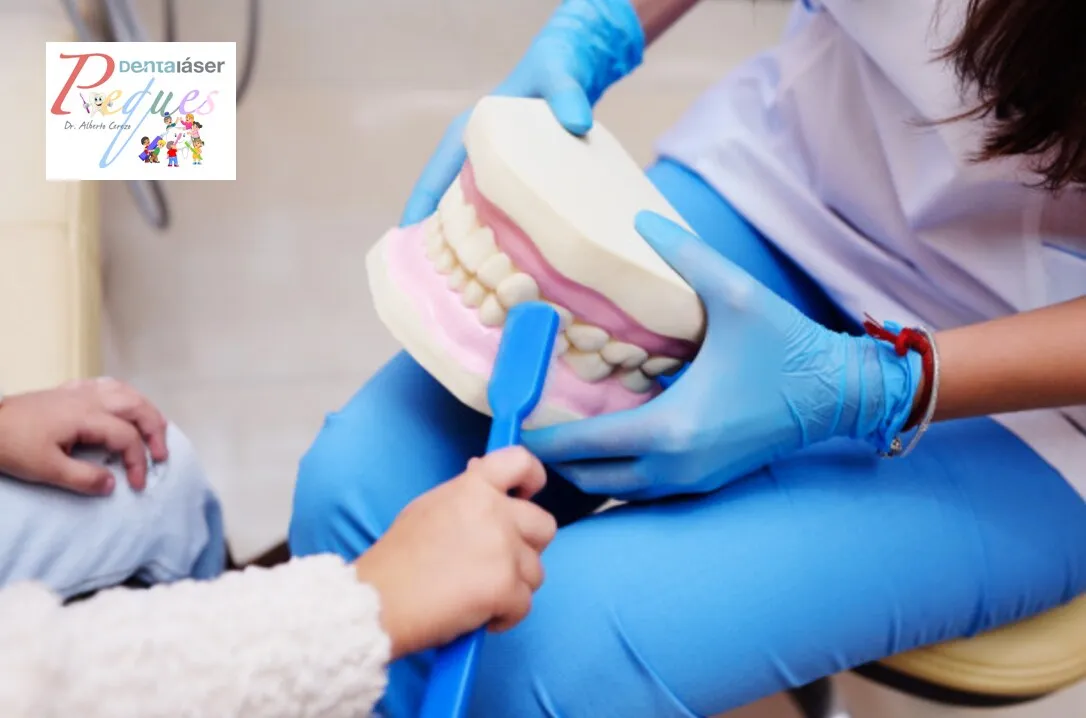
First we tell them what we're going to do. Then we show them. Only then do we do it. This way the child is never taken by surprise, and the anxiety disappears.
A paediatric room with warm colours, child-friendly materials and no intimidating instruments in sight. The aim is for children to walk in curious, not afraid.
Our paediatric dentists are always training and, above all, endlessly patient. They know how to speak children's language and earn their trust, visit after visit.
For cases of intense anxiety or complex treatments, we offer sedation with nitrous oxide. The child stays conscious, relaxed and pain-free. No general anaesthesia.
When should
your child go to the dentist?
There's no need to wait until it hurts. Prevention starts long before the first problem.
Even before the first tooth appears, the gums should be cleaned with a damp gauze pad. When the first baby tooth comes through, at around 6 months, it's the ideal time for the first visit. We check how the teeth are coming through, guide parents on hygiene habits and pick up on any early issues.
First visit recommended at one year oldThe full set of baby teeth is usually in place by around age 3. At this stage we carry out six-monthly check-ups, apply sealants to the baby molars and give professional fluoride treatment. We also assess habits such as dummy use, bottle feeding and thumb-sucking, which can affect jaw development.
Check-ups every 6 monthsTooth replacement begins. The first permanent molars come through at around age 6 and are the most important: we seal them straightaway. We assess the alignment of the new teeth and, if we spot spacing or bite problems, we start interceptive orthodontics to make the most of the child's growth and avoid longer treatment later on.
Orthodontic assessment at age 7Once the permanent teeth are all in, definitive orthodontic treatment follows if it's needed. Teenagers are also candidates for Invisalign Teen: the same results as braces, with better looks and comfort. We focus on hygiene education, diet and decay prevention at a stage when habits change fast.
Invisalign Teen availableTreatments
tailored to every stage.
From the first check-up to definitive orthodontics. Everything designed so your child experiences it without fear, with complete peace of mind and plenty of smiles.
The foundation of everything. A visit every 6 months lets us catch early decay before it spreads, monitor tooth development and reinforce hygiene habits at home. Professional cleaning removes the tartar a toothbrush can't reach.
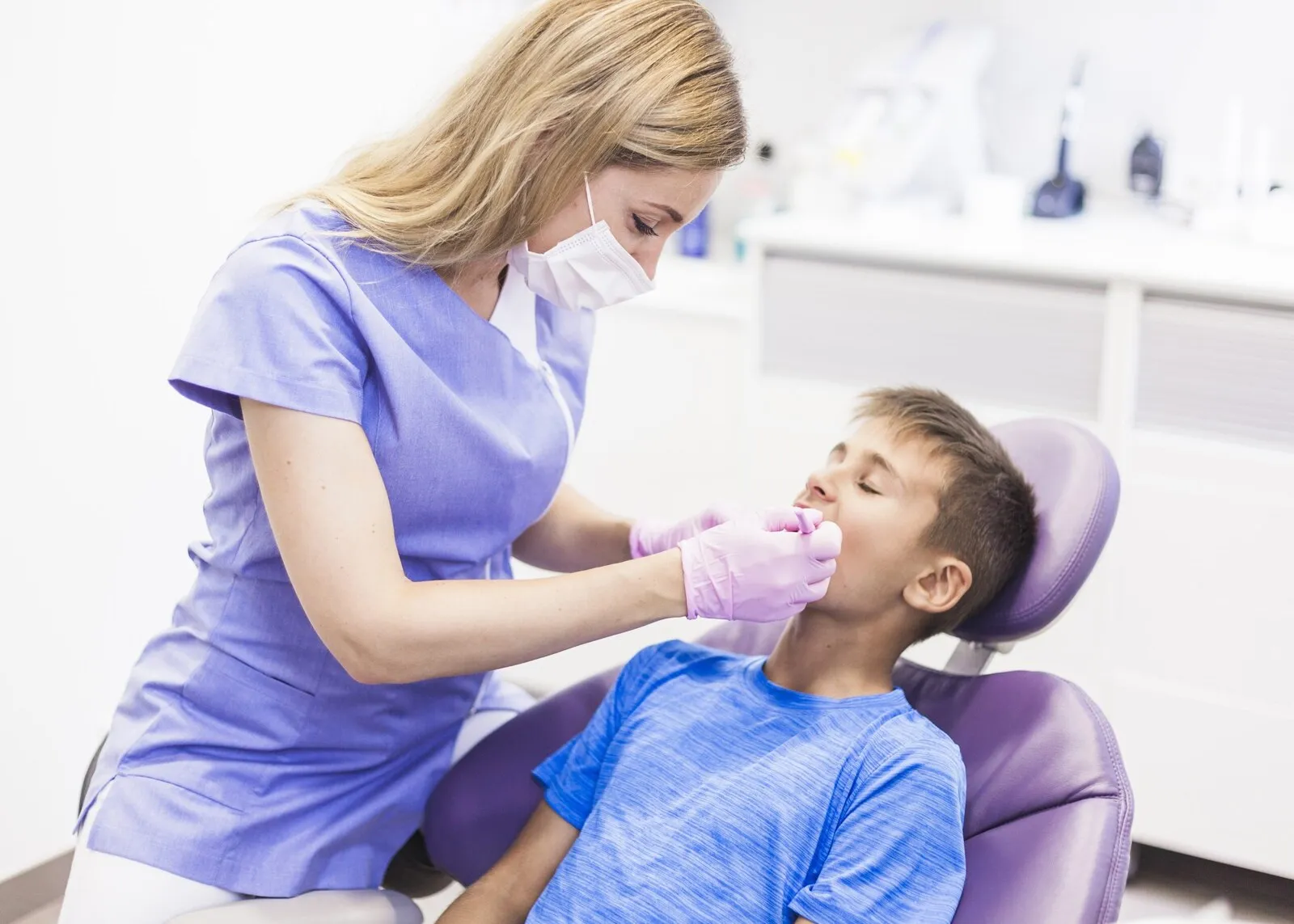
Molars have deep grooves where bacteria build up even when a child brushes well. We apply a sealant resin that covers those grooves and protects the tooth for years. It's the most effective preventive treatment there is. Painless, quick and long-lasting.
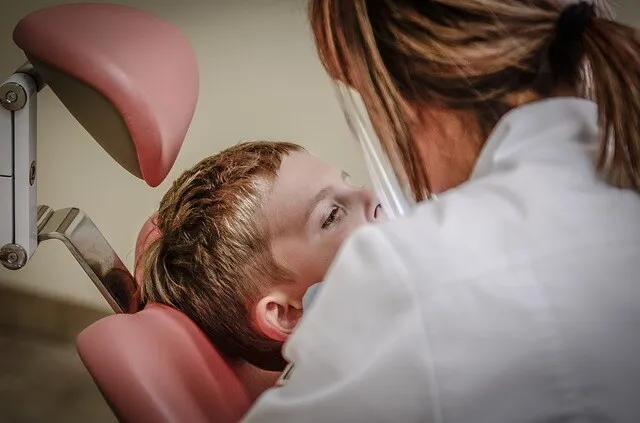
Fluoride strengthens the enamel and makes teeth more resistant to the acids produced by bacteria. Professional application at the clinic uses higher concentrations than toothpaste at home, with results that last for months. We recommend it twice a year for children at higher risk of decay.
When we spot spacing problems, crossbite or developmental issues between ages 6 and 10, we act before the bones finish growing. Orthopaedic appliances at this stage guide jaw development and can avoid extractions or much longer treatment later on.
When decay is already present, we act with the utmost care. Tooth-coloured composite fillings, pulpotomies when decay reaches the pulp of a baby tooth, and paediatric crowns to protect the tooth until the permanent one replaces it. No urgency, no unnecessary discomfort.

deserve care
Baby teeth
are not temporary.
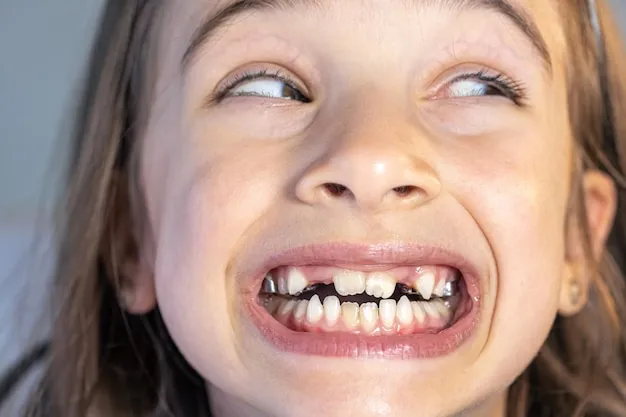
Many people think baby teeth don't matter because they're going to fall out anyway. It's the most common mistake in children's dental health. Baby teeth serve critical functions that no permanent tooth can make up for if they're lost too soon.
If a baby tooth is lost too early to decay, the neighbouring teeth shift and the permanent tooth has no room to come through in the right position. The result: malocclusion and orthodontic treatment.
The front baby teeth are essential for pronouncing sounds like 's', 'z' or 'f' correctly. Losing them too early can delay language development.
A healthy set of baby teeth means a child can chew and break down food properly, which has a direct impact on their nutrition and on healthy jaw development.
A healthy smile in childhood shapes a child's social confidence. Badly decayed or stained teeth can affect how they see themselves around classmates at a very sensitive age.
4 habits that protect
your child's smile.
What you do at home every night matters just as much as what we do at the clinic. These four habits make all the difference.
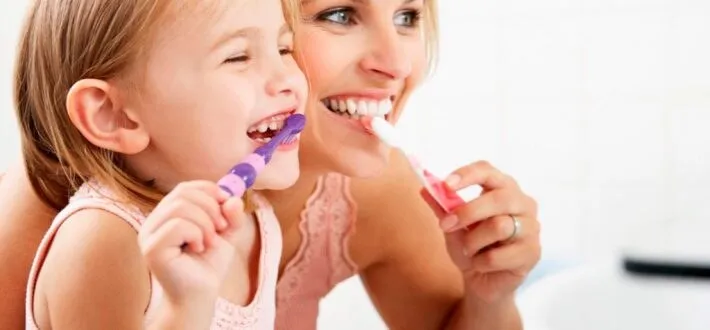
From 4–5 months, before any tooth appears, clean the gums with damp gauze or a silicone finger brush. Once the first tooth comes through, move to a small toothbrush with a rice-grain-sized smear of fluoride toothpaste. The habit is set from the very start.
Up to age 3, use a rice-grain-sized amount of toothpaste. From age 3 to 6, a pea-sized amount. From age 6 onwards, a normal amount. Fluoride is the most effective ally for strengthening enamel, but the dose needs to be right. We'll tell you exactly which toothpaste to use and how much at your appointment.
The bacteria that cause decay feed on sugar and produce acid for around 20 minutes after each intake. What causes the most damage isn't the total amount of sugar, but how often it's eaten. Five biscuit bites through the day are far worse than eating all the biscuits in one go. Limit sweet snacking between meals.
Falling asleep with milk or juice in the mouth is the most common cause of rampant decay in babies. Saliva flow drops at night, the sugars in the liquid coat the teeth for hours, and bacteria act unchecked. If your child needs something to fall asleep, offer water. From their first birthday, no more night-time bottles.
The little ones
also matter.
founded
Fuengirola and Maqueda
the first visit
recommended
Making the right decision
Act early or wait:
the difference lies in bone development.
Acting between ages 6 and 10, while the bone is still developing, completely changes what can be achieved without surgery or extractions. We assess your child's case at the free first visit.
| Feature | Interceptive orthodontics (ages 6–10) ✓ | Waiting for permanent teeth |
|---|---|---|
| Timing | While the jawbone is still growing | Once bone growth has finished |
| Growth guidance | Orthopaedic appliances guide the jaw | The bone can no longer be guided |
| Risk of extractions | Reduced by gaining space in time | Higher if space is lacking |
| Follow-up treatment | Usually shorter and simpler | May require longer treatment |
| Problem detection | Crossbite and lack of space, caught early | Problems are already established |
What we get asked
most.
Dentaláser clinical team · Clinical director: Dr Alberto Cerezo · Last updated: 2 September 2026
If you have any question that isn't answered here, call us on 952 46 67 33. Your child's first check-up is free, and we'll explain everything in person.
Your child's first check-up, free.
No obligation, no waiting lists. We'll explain clearly what your child needs and when, with no rush.
Children's dentist in Fuengirola:
we make the dentist a fear-free place
Our children's dentistry specialists in Fuengirola are trained to work with babies, children and teenagers with all the patience and care they deserve. We also run talks at schools: email us at marketing@dentalaser.com. Dental clinic at Avda. Mijas 23, Fuengirola. We see families from Mijas, Benalmádena, Torremolinos and the rest of Málaga.
Find out more
Keep reading
For the whole family