
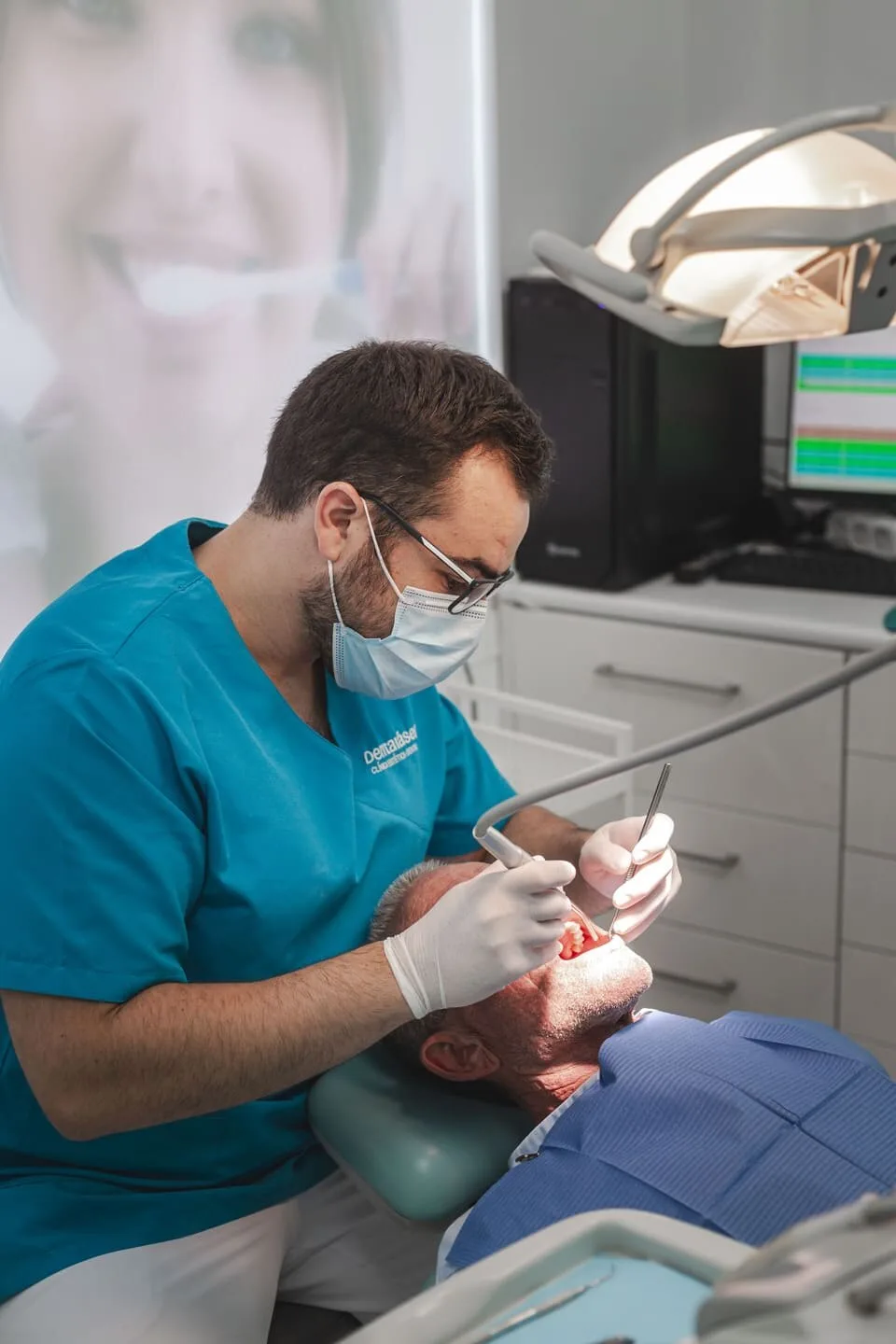
Dentaláser dentist treating an emergency patient
Home Blog Dental abscess
Emergencies

Dental abscess: what it is and what to do while you get an appointment

Dentaláser Clinical Team · Clinical Director: Dr Alberto Cerezo · Published on 2 September 2026 · Reading time: 5 min
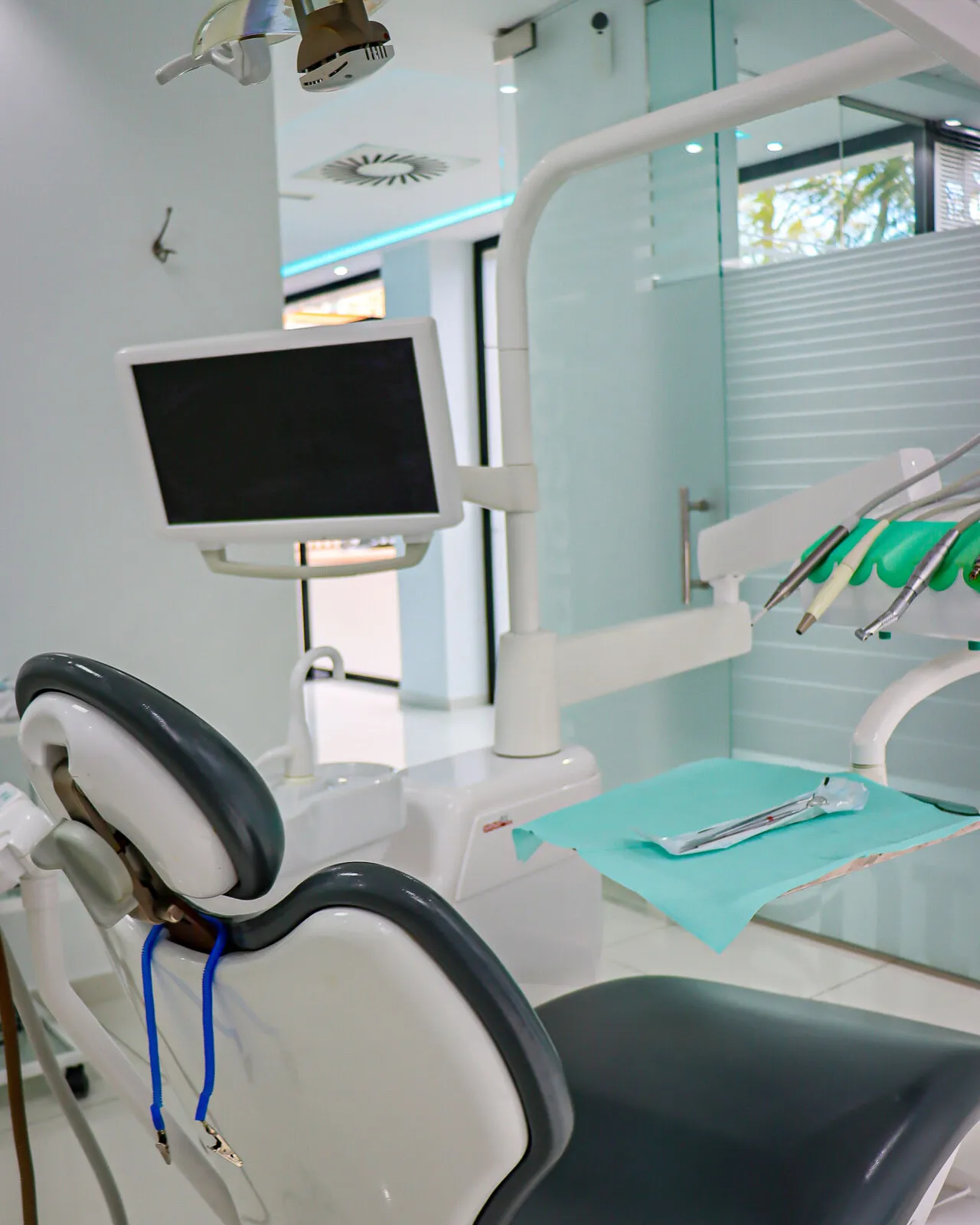
Dentaláser Fuengirola treatment room where dental infections are assessed

A dental abscess does not heal on its own. It is an infection (abscess) that forms around a tooth or in the gum and, without treatment, can keep growing and spread to other areas of the face or neck. While you get an appointment you can take your usual painkiller and apply cold on the outside, but you need a professional to treat the source of the infection: no home remedy resolves it.

What a dental abscess actually is

What is usually called a "flemón" (gumboil) is, clinically, a dental abscess: a build-up of pus caused by a bacterial infection. It usually originates from a deep cavity that has reached the nerve of the tooth, although it can also appear because of advanced gum disease or an old dental injury that damaged the nerve without it being treated in time.

The infection looks for a way out through the bone and the gum, and that's where the characteristic swelling shows. It is not a simple passing discomfort: it is an active infectious process which, according to the NHS, does not go away on its own and can become complicated if left untreated.

The symptoms that identify it

  • Intense, throbbing pain in the tooth or gum, which can appear suddenly and get worse.
  • Pain that spreads towards the ear, jaw or neck on the same side.
  • Swelling in the gum or face, sometimes visible from the outside.
  • Sensitivity when chewing or touching the area.
  • A bad taste in the mouth and, if the abscess drains on its own, a sudden release of foul-tasting fluid (which usually eases the pain momentarily, but does not mean the infection has gone).
  • General malaise and, in more advanced cases, fever.

What you can do while you get an appointment

None of this replaces treatment, but it can help you feel more comfortable until we see you:

  • Take your usual painkiller, following its patient leaflet.
  • Apply cold on the outside of the cheek, never heat: heat can help the infection spread.
  • Do gentle rinses with warm salt water to ease the area.
  • Keep to a soft diet, avoiding the affected side when chewing.
  • Do not apply heat, put aspirin directly on the gum, or press on the area trying to "burst it".
💊
About antibiotics: don't prescribe them to yourself An antibiotic is only effective when it treats the specific cause of the infection, and it must be prescribed by a professional after assessing your case. Taking one without need does not remove the source of the pain and encourages antibiotic resistance. The real treatment for a dental abscess is to drain the infection and treat the tooth causing it, almost always with a root canal or, if the tooth cannot be saved, with its extraction.

Why it always needs professional care

Even if the pain improves or the abscess drains by itself, the infection remains in the tooth or bone until its cause is removed. Leaving a dental abscess untreated can end up damaging the bone that supports the tooth or, in the most serious cases, spreading to deeper spaces of the face and neck. That's why at Dentaláser we always assess it with an X-ray, to locate the exact source of the infection and treat it, almost always through a root canal or, if the tooth can no longer be kept, extraction.

🚨
When to go to hospital emergency care, not the dental clinic
  • High fever
  • Swelling that spreads towards the eye or neck
  • Difficulty swallowing or opening the mouth normally
  • A significant feeling of general unwellness

In these cases, do not wait for the clinic to open: go to a hospital emergency department or call 112.

Frequently asked questions

What our patients
also ask.

It's not advisable. A dental abscess (flemón) is an infection that does not go away on its own and can spread to other areas of the face or neck if left untreated. While you get an appointment you can take your usual painkiller following its patient leaflet and apply cold on the outside, but you need professional assessment to treat the source of the infection.
No. Antibiotics are only effective when they treat the specific cause of the infection, and they must be prescribed by a professional after assessing your case; taking one without need does not ease the pain and encourages resistance. For the pain, you can take your usual painkiller following its patient leaflet while you get an appointment, avoiding putting aspirin directly on the gum.
The most common cause is a deep cavity that has reached the nerve of the tooth and infected it, although it can also originate from gum disease or an old dental injury. In these cases, treatment usually involves a root canal that removes the infection from inside the tooth.
When, as well as the swelling, there is fever, difficulty swallowing or opening the mouth, or the swelling spreads towards the eye or neck. In that case, don't wait for the dental clinic: go to a hospital emergency department or call 112.

Disclaimer

  1. This article is for information purposes only and does not replace assessment by a healthcare professional. Always consult your dentist.
EMERGENCIES · WITHIN OUR CLINIC HOURS

Do you have a dental abscess
right now?

Call us and we'll give you priority to see you as soon as possible within our clinic hours.

Call WhatsApp