
Braces or Invisalign: which is better for you?
There is no single answer: it depends on how complex your bite is, how much you care about aesthetics, and your daily discipline. Invisalign is virtually invisible but needs to be worn 20–22 hours a day. Braces don't depend on your discipline and can handle more complex cases, in exchange for being visible.
What sets Invisalign apart from braces
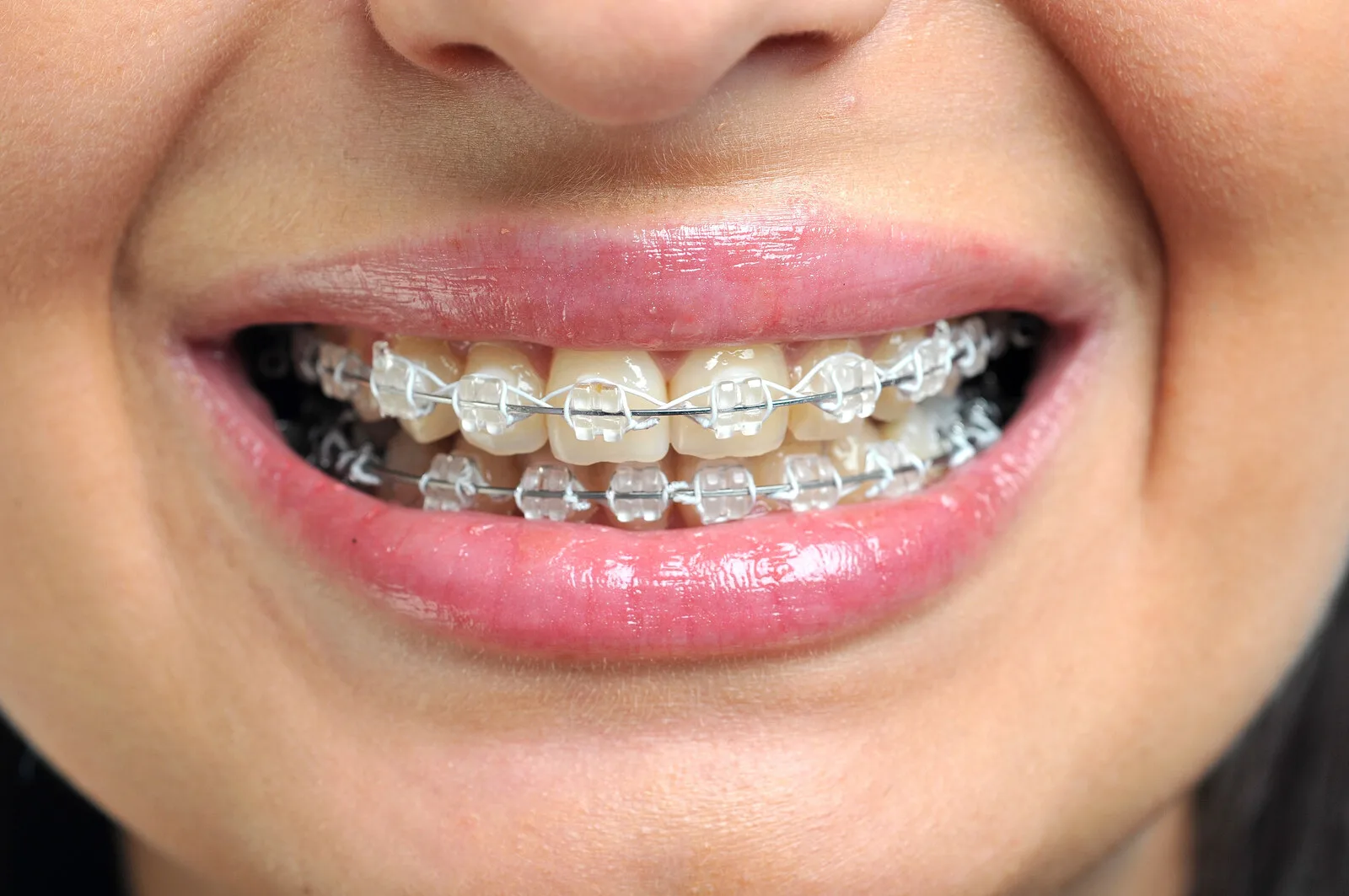
Braces are fixed pieces (metal or ceramic) that are bonded to each tooth and connected by a wire arch that the orthodontist adjusts at each check-up. Tooth movement is controlled by the clinic, visit by visit.
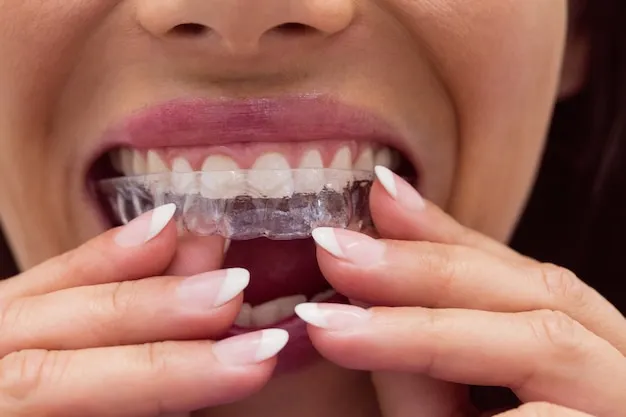
Invisalign is a system of clear, removable aligners custom-made from a 3D scan of your mouth. Each aligner is worn for 1 to 2 weeks before moving on to the next in the series, and progress depends on wearing it for the recommended amount of time.
Comparison: duration, price and use cases
| Feature | Invisalign | Metal braces |
|---|---|---|
| Visibility | Virtually invisible | Visible |
| Average duration | 6–18 months depending on the case | 12–24 months depending on the case |
| Guide price* | Above the national median for orthodontics | Usually the more affordable option |
| Removable for eating | Yes, removed with no restrictions | No, some foods are off-limits |
| Daily hygiene | Easy, removed for brushing | More time-consuming, with interdental brushes |
| Complex cases | Limited to mild-to-moderate cases | Also effective in severe cases |
| Depends on patient discipline | Yes (20–22 hours/day of wear) | No, the clinic is in control |
*As a market reference, the Spanish Consumers' and Users' Organisation (OCU) puts the median price for a full course of orthodontic treatment in Spain at €2,000 (dental health survey, November 2024). This is not Dentaláser's price: it varies widely depending on the system, complexity and duration, and your exact quote comes from your first visit, which is free.
Advantages of Invisalign
- Aesthetics: barely noticeable, useful if your work or daily life puts you in the public eye.
- Comfort: no metal in the mouth, less rubbing on lips and cheeks.
- No food restrictions: take it out to eat and drink whatever you like.
- You can preview the result with a 3D scan before you start.
Advantages of braces
- They don't depend on the patient's discipline: tooth movement continues whether you're having a good day or a bad one.
- They handle cases of severe malocclusion or complex tooth movements that Invisalign can't resolve.
- They tend to be the more affordable option for long or complicated treatments.
- They can't be lost or left at home, since they're fixed to the tooth.
What to choose depending on your case
The decision isn't just an aesthetic preference: it depends on the diagnosis. As a general guide:
- Mild to moderate crowding, good discipline: Invisalign tends to be a good fit.
- Severe malocclusion, complex crossbite or the need for extractions: braces tend to be more predictable.
- Jobs with a lot of public-facing exposure: Invisalign or ceramic braces (less visible than metal ones).
- Tight budget for a long treatment: metal braces tend to be the most affordable option.
Frequently asked questions
- Spanish Consumers' and Users' Organisation (OCU), dental health survey, November 2024: median price for a full course of orthodontic treatment in Spain.
- This article is for information purposes only and does not replace assessment by a healthcare professional. Always consult your dentist.
Braces or Invisalign? Find out at your free first visit.
We'll study your bite and X-rays and tell you which system best suits your case, at no cost and with no obligation.
Keep reading